The best small towns in South Dakota offer charm while the state undergoes its most important transformation. Back in 1950, two-thirds of South Dakotans lived in rural areas. That number has dropped to a third today. Bigger cities are expected to grow by 20 percent over the next two decades. Small towns in South Dakota remain appealing destinations with affordable living and attractions. These South Dakota towns provide experiences for travelers who want connections and cultural heritage. Historic mining communities and prairie settlements dot the landscape.

Location and Overview
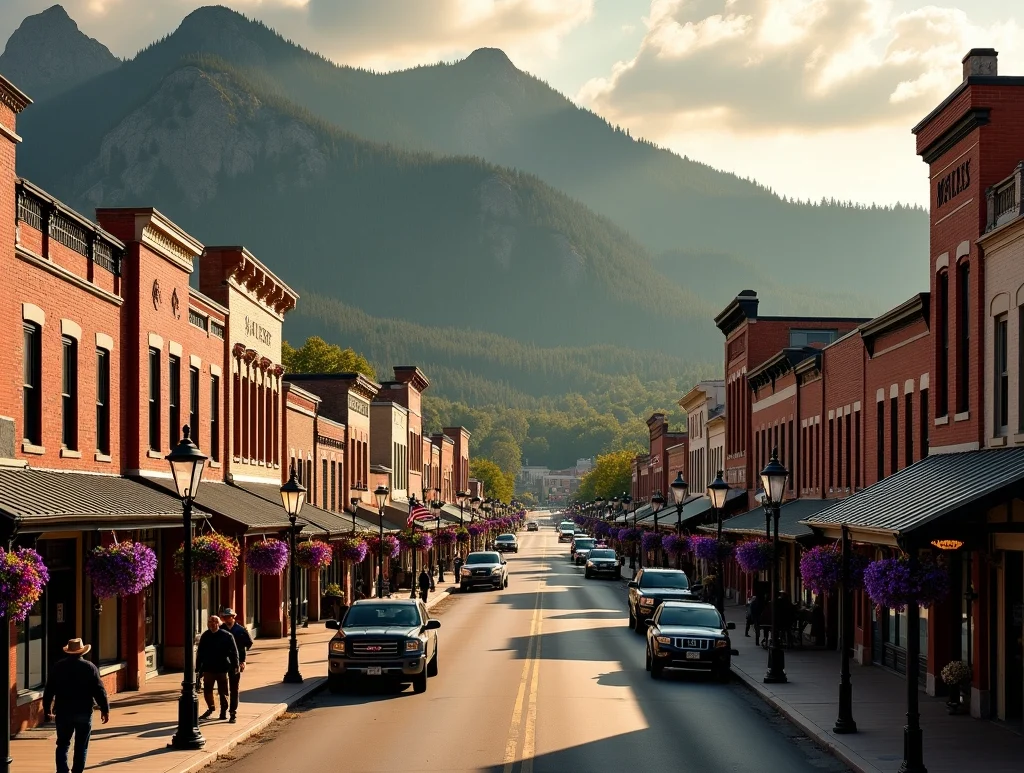
Deadwood stands as the county seat of Lawrence County. Early settlers named the city after dead trees found in its gulch. The gold rush of 1876 changed this location into a booming community that drew 25,000 residents at its peak, along with Wild West legends including Wyatt Earp, Calamity Jane, and Wild Bill Hickok. The entire city earned National Historic Landmark District status for its preserved Gold Rush-era architecture. This Black Hills community covers 4.929 square miles and receives nearly 30 inches of annual precipitation, creating a climate distinct from surrounding South Dakota areas. The town celebrates its 150th anniversary throughout 2026 with special programming.
Top South Dakota Attractions in Deadwood
Mount Moriah Cemetery serves as the final resting place for Wild Bill Hickok and Calamity Jane. Cemetery tours cost about $2.00 per person. The Adams House, built in 1892, showcases Queen Anne-style architecture with hand-painted canvas wall coverings and stained-glass windows. It has original 19th-century electricity and plumbing. The Adams Museum, founded in 1930 by pioneer businessman W.E. Adams, preserves and displays Black Hills history. Days of ’76 Museum houses antiques and memorabilia from the celebration that began in 1924. Visitors can tour the Broken Boot Gold Mine and pan for gold. The 110-mile George S. Mickelson Trail starts in Deadwood and provides hiking and biking opportunities through the Black Hills.
Where to Stay and Dine
Casino hotels like Tin Lizzie Gaming Resort and Deadwood Gulch Gaming Resort put guests close to gaming action. The Lodge at Deadwood, Deadwood Mountain Grand, and Deadwood Station Bunkhouse welcome pets. The Historic Bullock Hotel sits in the heart of Main Street, while the Franklin Hotel has hosted Teddy Roosevelt and John Wayne. Days of 76 Campground and Whistler Gulch Campground accommodate RV travelers. The city features 31 restaurants, ranging from world-class chefs to casual dining. Mustang Sally’s offers reasonable prices with ample seating, while FLYT Steakhouse serves bacon-wrapped filet mignon for $20.95. Saloon No. 10 marks the spot where Wild Bill Hickok was shot while playing poker.
Why Visit Deadwood
This South Dakota town draws over 2.5 million guests each year. It blends history with outdoor recreation in the Black Hills National Forest. The 2026 sesquicentennial celebration is a chance to experience special events honoring the city’s gold rush legacy. Daily shootout reenactments on Main Street bring Wild West history to life, while legalized gaming adds entertainment options. So visitors find a destination that merges historic preservation with modern amenities, from hiking trails to casino entertainment, all within a National Historic Landmark setting.

Location and Overview
Keystone sits in the Black Hills region of Pennington County with a population of 240 residents. The city began as a mining settlement in 1883 and has evolved into a resort community that serves millions of visitors to Mount Rushmore National Memorial, located just 3 miles beyond the town limits. The town’s name comes from a local mine, most probably named after the keystone Masonic symbol. Fred Cross, the first permanent settler, arrived in 1877. The first gold claim was located fourteen years later. The railroad reached Keystone in 1900 and brought a period of prosperity. The main mine closed in 1903. The town experienced economic depression until 1927 at the time Mount Rushmore carving began. Flash flooding devastated the area on June 9, 1972, but residents rebuilt the community.
Top South Dakota Attractions in Keystone
The Black Hills Central Railroad operates passenger trains pulled by preserved steam locomotives from the late 1800s. Round-trip excursions run between Keystone and Hill City. The National Presidential Wax Museum features sculptures of every U.S. president and notable Sioux Chiefs. World-renowned sculptor Katherine Stubergh created these works. Her sculptures appeared in Gone With the Wind and House of Wax. Big Thunder Gold Mine provides tours of the historic mine that German immigrants found in 1882, plus gold panning experiences. Rush Mountain Adventure Park and Rushmore Tramway Adventures offer mountain coasters, ziplines and aerial challenges. Holy Terror Mini Golf takes its name from Keystone’s last functioning gold mine. The course ascends a pine-covered mountain. The Keystone Historical Museum occupies an 1899 schoolhouse with exhibits on Carrie Ingalls, sister of Little House on the Prairie author Laura Ingalls Wilder. She lived in Keystone with her husband.
Where to Stay and Dine
Ruby House Restaurant serves hearty American cuisine in an Old West-themed setting with multiple levels and a dog-friendly patio. Powder House Restaurant specializes in prime rib and wild game. Cruizzers offers pizza, calzones and sandwiches with outdoor seating. Lodging options include Buffalo Rock Lodge, K Bar S Lodge, Roosevelt Inn and Under Canvas Mount Rushmore for glamping. Chain hotels like Comfort Inn & Suites and Holiday Inn Express provide reliable accommodations.
Why Visit Keystone
This gateway to Mount Rushmore hosts over 20 attractions within walking distance and has earned its reputation as the Black Hills’ adventure hub. Three scenic drives start in Keystone: Iron Mountain Road with pigtail bridges, Needles Highway and Custer State Park’s Wildlife Loop.
Mount Rushmore photography.

Location and Overview
Hill City is the oldest existing city in Pennington County. The population of 872 recorded in the 2020 census has since grown to over 1,000 residents. This mountain town sits 26 miles southwest of Rapid City on U.S. Highway 16. The “Heart of the Hills” moniker comes from its proximity to both the geographical center of the Black Hills and major tourist destinations. The city’s roots trace back to the Black Hills mining rush. Tin mining dominated the 1880s before tourism and timber became the main industries. Hill City has evolved into the arts community center of the Black Hills over the last several years and features many galleries, art studios and festivals.
Top South Dakota Attractions in Hill City
The 1880 Train operates steam locomotives from the late 1800s that have been refurbished. The two-hour experience runs between Hill City and Keystone. The Museum at Black Hills Institute houses over 1,300 fossils with 150 research-quality replicas. The 109-mile George S. Mickelson Trail winds through Hill City and offers scenic hiking and biking through converted railroad bridges and rock tunnels. Jon Crane Gallery & Custom Framing showcases renowned watercolor paintings. ArtForms Gallery displays local art in an artist-operated space. Prairie Berry Winery produces international award-winning handcrafted wines in a scenic setting.
Where to Stay and Dine
Alpine Inn was built in 1884 and serves European and German-influenced cuisine like schnitzels, bratwurst and bacon-wrapped filet mignon. The restaurant operates on a cash-only basis and has lines during summer months. Chute Rooster was a Registered National Historic site in 1896. It features two bars, three dining rooms and live music events. Lodging options include the historic Alpine Inn with antique-filled rooms and Mountain Peaks Inn with themed suites. Newton Fork Ranch offers secluded log cabin retreats.
Why Visit Hill City
Mount Rushmore sits just 15 minutes away. Crazy Horse Memorial and Custer State Park remain easy to access from this central Black Hills location.

Location and Overview
Custer is the county seat of Custer County and had a population of 1,919 recorded in the 2020 census. The city covers 2.54 square miles and serves as headquarters for the Supervisor of the Black Hills National Forest that spans South Dakota and Wyoming. Tourism and hospitality services are the economy’s foundations after the nearby sawmill and local mining company closed. The city hosts an annual Gold Discovery Days celebration in the last full weekend of July that commemorates the Custer expedition’s 1874 gold find in French Creek.
Top South Dakota Attractions in Custer
Custer State Park anchors the area with 71,000 acres of lakes, pastures, pine forests and granite rock formations. The park became a game preserve in 1913 and South Dakota designated it as the state’s first park in 1919. A herd of 1,300 buffalo roams the park. The annual Buffalo Roundup happens on the last Friday of September and attracts over 14,000 attendees each year as 60 cowboys and cowgirls bring in the thundering herd. The Wildlife Loop State Scenic Byway runs 18 miles through prime grazing areas. Visitors encounter bison, bighorn sheep, pronghorn and elk there. Black Elk Peak reaches 7,242 feet and is the highest point in South Dakota. Needles Highway provides 14 miles of scenic drives through granite rock formations and tunnels.
Where to Stay and Dine
Custer State Park Resorts runs four lodges: State Game Lodge, Blue Bell Lodge, Sylvan Lake Lodge and Legion Lake Lodge. The State Game Lodge was built in 1920 and is on the National Register of Historic Places. Skogen Kitchen prepares chef-driven cuisine with flavors influenced from around the world and menus that change often. Black Hills Burgers & Pizza Co. has earned national recognition. Hjem AM focuses on Scandinavian-inspired breakfast fare that includes smorrebrod and Swedish pancakes.
Why Visit Custer
A 7-day vehicle pass costs $25.00 for access to Custer State Park. The park sits near Jewel Cave National Monument, Wind Cave National Park and Mount Rushmore National Memorial.
Mount Rushmore puns.

Location and Overview
Spearfish claims the title of Lawrence County’s largest city with a population of 12,193 recorded during the 2020 census, estimated to reach 13,803 by 2024, ranking as South Dakota’s 10th most populous city. Three prominent mountain peaks crown this northern Black Hills community and earn it the “Queen City” nickname: Lookout Mountain sits 4,452 feet above sea level and abuts the city’s east side, Crow Peak rises to 5,760 feet halfway to the Wyoming state line, and Spearfish Peak reaches 5,798 feet as the most prominent southern view. Black Hills State University calls this 17.275-square-mile city home. Spearfish holds the world record for the fastest recorded temperature change. A Chinook wind raised temperatures from -4°F to 45°F in two minutes on January 22, 1943. This 49°F rise caused windows to crack and windshields to frost.
Top South Dakota Attractions in Spearfish
D.C. Booth Historic National Fish Hatchery, 128 years old, stands as one of the country’s oldest operating hatcheries dedicated to fish culture. The site includes a museum and historic home with fishponds and underwater viewing windows. The Matthews Opera House, built in 1906, has a 250-seat theater with ornate boxes and ceiling murals that host regular summer performances. Spearfish Canyon Scenic Byway winds through a canyon six times older than the Grand Canyon. Devil’s Bathtub provides a shaded hiking destination. The High Plains Western Heritage Center, opened in 1989, honors Old West pioneers across five states. The Rec and Aquatics Center has basketball courts and a water park with cardio facilities.
Where to Stay and Dine
Spearfish has over 40 restaurants and eateries that include Sawyer Brewing Co., Crow Peak Brewing Company, and Dough Trader Pizza. Lucky’s 13 Pub operates within the Spearfish Convention Center complex. Lodging ranges from hotels to campgrounds along Spearfish Creek.
Why Visit Spearfish
Spearfish serves as the northern Black Hills gateway and provides fly-fishing in Spearfish Creek with hiking trails and mountain biking. Year-round outdoor recreation opportunities abound.

Location and Overview
Hot Springs sits in the southwestern corner of South Dakota and ranks among the warmest places in the state with an annual mean temperature of 48.6°F. This Fall River County seat holds a population of 3,711. The National Trust for Historic Preservation named it one of its Dozen Distinctive Destinations in 2009. The city center showcases over 35 sandstone buildings that create a distinctive architectural character reminiscent of South Dakota’s frontier era. Hot Springs also hosts the annual Miss South Dakota pageant.
Top South Dakota Attractions in Hot Springs
The Mammoth Site stands as the world’s largest concentration of Columbian mammoth skeletons, with more than 60 preserved specimens. This active paleontological excavation provides visitors with an unmatched chance to witness ongoing research at what functions as a live dig site. Evans Plunge offers warm spring water at 87°F, while Moccasin Springs Natural Mineral Spa features four outdoor pools ranging from 88°F to 102°F. Wind Cave National Park sits just minutes north of town. Battle Mountain Sanitarium, constructed from pink sandstone, represents one of the city’s architectural marvels built to care for Civil War veterans. Cascade Falls provides a swimming hole with water cascading over rock formations and is located 8 miles south on Highway 71.
Where to Stay and Dine
Red Rock River Resort offers restored 1890s sandstone accommodations with spa amenities. Hills Inn provides budget-friendly rooms near The Mammoth Site. Silk Road Experience serves Pakistani cuisine as South Dakota’s only restaurant of its kind. The Kitchen Ink features burgers and steaks prepared with tallow and butter. Jalapeños Grill specializes in Mexican fare, and The Dragonfly at Moccasin Springs pairs sophisticated dining with relaxation. Two Cows Creamery produces homemade ice cream from their own dairy cows.
Why Visit Hot Springs
This gateway to the southern Black Hills combines thermal springs and paleontological wonders within easy reach of Wind Cave National Park.
South Dakota road trip.

Location and Overview
Pronounced “leed” rather than “led,” Lead takes its name from the mining term for a ledge of ore. This reflects its origins during the 1876 Black Hills Gold Rush. This northern Black Hills community in Lawrence County maintains a population of 3,027. It earned incorporation in 1877 after settlement the previous year. The Homestake Mine, found in 1876, operated as the longest continually running gold mine in the Western Hemisphere until 2001 and produced over 40 million ounces of gold. Lead ranked as South Dakota’s largest city in 1889, home to thousands of immigrants who worked mining ore and cutting timber. The whole town received National Register of Historic Places District status and Preserve America Community designation in August 2005.
Top South Dakota Attractions in Lead
The Sanford Lab Homestake Visitor Center features an 8,000-square-foot exhibit hall where visitors explore mining history and innovative dark matter research happening 8,000 feet underground at the Sanford Underground Research Facility. The Black Hills Mining Museum offers guided tours built by miners and gold panning experiences. Homestake Opera House, constructed in 1914 as a gift from Thomas J. Grier and Phoebe Apperson Hearst, once housed a swimming pool, library, bowling alley and 1,000-seat theater before a 1984 fire. The restored venue now hosts performances and tours. Homestake Gold Run Park Trail winds through old concrete foundations with views of the 1,250-foot-deep Open Cut. Terry Peak Ski Area and Deer Mountain Ski Area provide winter sports. The George S. Mickelson Trail offers hiking and biking.
Where to Stay and Dine
Spearfish Canyon Lodge earned a 9.4/10 rating from 1,009 reviews. Secluded Log Cabin Retreat received 9.8/10 from 312 reviews. Stampmill Restaurant & Saloon has served patrons since 1897 and features classic American fare in Victorian-inspired surroundings. Dakota Shivers Brewing crafts local beer in a welcoming atmosphere.
Why Visit Lead
This former mining town blends historic preservation with groundbreaking scientific research and attracts visitors including Facebook creator Mark Zuckerberg.

Location and Overview
Belle Fourche, French for “beautiful fork,” sits where Hay Creek, Redwater River, and Belle Fourche River join. This Butte County seat recorded a population of 5,617 in 2020, estimated to reach 5,855 by 2024, ranking as South Dakota’s 18th-most populous city. A point 20 miles north marks the geographic center of the United States following Alaska and Hawaii’s admission in 1959. The 54,000-pound Geographic Center of the Nation Monument, shaped as a compass rose and crafted from South Dakota granite, was revealed on August 21, 2007.
Top South Dakota Attractions in Belle Fourche
The Tri-State Museum commemorates the town’s central location with an Avenue of Flags. Black Hills Roundup, one of America’s oldest outdoor rodeos, attracts thousands over the July 4th weekend. Rocky Point Recreation Area spans the 8,000-acre Belle Fourche Reservoir, created in 1911. PaleoAdventures offers dinosaur dig experiences at remote Hell Creek Formation sites.
Where to Stay and Dine
Grap’s Burgers and Brews specializes in gourmet burgers and craft beers, while Rancho Los Agaves serves authentic Mexican cuisine. Stadium Sports Grill is a local hangout.
Why Visit Belle Fourche
This livestock shipping center retains Old West roots, including the 1897 Sundance Kid bank robbery.
South Dakota puns.

Location and Overview
Chamberlain sits at the intersection of the Missouri River and Interstate 90 in central South Dakota. The 2020 census recorded a population of 2,473. Founded in 1881, the Brule County seat was named after Selah Chamberlain, a railroad director. The city rests on the east bank of the Missouri River at Lake Francis Case, called “earth dwelling” in Lakota.
Top South Dakota Attractions in Chamberlain
The 50-foot tall Dignity statue dominates the landscape nearby and honors Lakota and Dakota culture. The Akta Lakota Museum & Cultural Center profiles nomadic Plains Indians through interactive displays. The Chamberlain Lewis & Clark Interpretive Center documents the explorers’ expedition. The South Dakota Hall of Fame features notable members like Laura Ingalls Wilder and Tom Brokaw. Roam Free Park offers river views and wildlife viewing.
Where to Stay and Dine
Al’s Oasis serves classic hamburgers and lemon cream-cheese pie with five-cent coffee. The Smoking Mule delivers American comfort food and craft beer. Mi Pueblo features Mexican cuisine with Missouri River views. Main Street Cafe & Market earns recognition with buffalo burgers and steak. Lodging ranges from Cedar Shore Resort to AmericInn Lodge & Suites.
Why Visit Chamberlain
This riverside town provides access to world-class walleye fishing, kayaking and pheasant hunting. Visitors explore Indigenous heritage through museums and cultural centers within walking distance of specialty shops and local restaurants.

Location and Overview
This Lake County seat sits between Lake Madison and Lake Herman, 50 miles northwest of Sioux Falls. The population reached 6,474 in 2010. William Lee and Charles Walker arrived in 1870 and named the area after Madison, Wisconsin. The community relocated in 1880 when the Chicago, Milwaukee, and St. Paul Railroad established a route through nearby homestead land. Dakota State University was founded in 1881 as the first teacher-training school in Dakota Territory and remains a main economic driver.
Top South Dakota Attractions in Madison
Prairie Village features 40 restored buildings that form a living history museum. The site includes steam tractors, an operating railroad with turntable and steam carousel. The annual Steam Threshing Jamboree occurs each August. Smith-Zimmermann Museum on the Dakota State University campus displays Victorian furnishings in four period rooms and early transportation exhibits. Dakota Prairie Playhouse seats 700 people and hosts year-round performances. Lake Herman State Park offers camping, boating, fishing and cross-country skiing.
Where to Stay and Dine
Best Western Plus Lakeview Hotel earned a 9.4/10 rating, while AmericInn by Wyndham received 7.6/10. Prime Time Tavern and Second Street Diner serve local favorites.
Why Visit Madison
This university town combines outdoor recreation on two lakes with pioneer heritage attractions and downtown shopping.
Small towns to visit in North Dakota.

Location and Overview
The Ingalls family settled in this Kingsbury County seat in 1879. De Smet became the birthplace of Laura Ingalls Wilder’s daughter, author Rose Wilder Lane, and the setting for several Little House books. The population stands at 1,056. Charles Ingalls built their permanent home between 1887 and 1889. Wilder’s writings refer to it as “The House That Pa Built”. The family lived in the Surveyor House before they settled on Third Street. Charles ran the Ingalls Store from 1880 to 1881. The city sits 55 miles north of Interstate 90 on the northeast side of South Dakota.
Top South Dakota Attractions in De Smet
Ingalls Homestead offers horse-drawn cart rides and hands-on pioneer activities. Visitors can explore the land Charles Ingalls homesteaded in the 1880s. The Laura Ingalls Wilder Memorial Society provides guided tours through the Surveyor’s House and Third Street home, plus De Smet’s first school. De Smet Cemetery contains graves of many families mentioned in the Little House books. The Loftus Store, featured in Wilder’s writings, operates as a gift shop. The Laura Ingalls Wilder Pageant presents outdoor plays three weekends each July at 8 PM.
Where to Stay and Dine
Two motels include Super Deluxe Inn & Suites and Cottage Inn Motel. Prairie House Manor B&B and Heritage House B&B offer family-friendly accommodations. Ward’s Store and Bakery serves breakfast and baked goods. Oxbow Restaurant provides casual dining. Dugout Steakhouse and Lounge features American fare. Grumpy’s Grill & Pub functions as a local gathering spot.
Why Visit De Smet
This prairie town attracts thousands of Little House fans each year. They seek connections to American pioneer literature and frontier history preserved through museums and historic homes. Cultural events celebrate the Ingalls family legacy.

Location and Overview
Vermillion sits perched on a bluff above the Missouri River and functions as a vibrant college town with a population of 11,695. The University of South Dakota anchors this southeastern community, an hour from Sioux Falls and across the Nebraska border. Lewis and Clark camped here over 200 years ago, long before the university brought academia and urban character to the area.
Top South Dakota Attractions in Vermillion
The National Music Museum houses one of the world’s most impressive musical instrument collections. You’ll find Stradivarius stringed instruments and Johnny Cash’s composing guitar here. The Austin Whittemore House showcases architectural elegance from a bygone era. The W.H. Over Museum narrates stories of Indigenous people and pioneers. Vermillion Area Murals adorn downtown buildings, and the Sculpture Walk transforms streets into an outdoor gallery. Clay County Park offers riverfront views and hiking trails. Spirit Mound provides panoramic prairie vistas from Lewis and Clark’s footsteps. Prentis Park has sports facilities and the Prentis Plunge water attraction.
Where to Stay and Dine
Café Brulé draws locals with excellent coffee and indulgent desserts. Cee Cee’s 605 Scratch Kitchen & Bar emphasizes local sourcing. Dakota Brick House pairs American fare with craft beers, and XIX Brewing Company offers gluten-free menu options. Valiant Vineyards operates South Dakota’s oldest winery with bed-and-breakfast accommodations. Main Street Inn occupies a renovated historical fraternity house within walking distance of downtown and campus. Best Western Vermillion Inn, Holiday Inn Express & Suites, and Red Roof Inn provide reliable chain options.
Why Visit Vermillion
This college town combines world-class cultural attractions with Missouri River adventures and small-town accessibility. It’s an often-overlooked destination that rewards curious travelers.
Small towns to visit in Montana.

Location and Overview
Wall emerged as a railroad town for the Chicago/Northwestern Railroad system in 1907 at mile markers 109 and 110 along Interstate 90. This Pennington County community was once dubbed the “geographical center of nowhere.” The town has grown from 300 residents in the 1930s to 876 today. Wall sits 8 miles north of Badlands National Park and 55 miles east of Rapid City. As many as 20,000 visitors pass through daily during peak tourist season.
Top South Dakota Attractions in Wall
Wall Drug Store anchors this gateway community. The sprawling emporium has drawn 2 million visitors each year since opening as a small pharmacy in 1931. Visitors can enjoy 5-cent coffee, handmade donuts and buffalo burgers. National Grasslands Visitor Center interprets the network of 20 national grasslands that cover 12 states. Minuteman Missile National Historic Site sits 21 miles away. Prairie Homestead Historic Site displays original sod architecture and heritage livestock. Dahl’s Chainsaw Art features live carving demonstrations and wood sculptures.
Where to Stay and Dine
Badlands Saloon & Grille serves innovative personal pizzas using family recipes. Red Rock Restaurant emphasizes farm-to-table beef and lamb. Frontier Cabins Motel provides 33 custom-built log cabins. Hansen Inn & Cabins sits one block from Wall Drug.
Why Visit Wall
This junction between prairie and Badlands provides convenient access to the park’s Pinnacles Entrance, which sits 7 miles south via Highway 240.
Enjoy Small Towns in South Dakota
South Dakota’s small towns deliver experiences that larger cities cannot replicate. Deadwood’s Wild West legacy and De Smet’s Little House heritage stand out, and each destination offers distinct attractions worth learning. These communities have preserved their authentic character while adapting to what modern tourism just needs. Outdoor enthusiasts find recreation opportunities, history buffs discover well-kept landmarks, and food lovers encounter everything from frontier fare to sophisticated dining. The 2026 travel season presents an ideal time to visit, especially when you have Deadwood’s sesquicentennial celebration. Visitors can seek mountain adventures in the Black Hills or riverside tranquility in Chamberlain. These thirteen towns prove that South Dakota’s greatest treasures exist beyond its famous monuments.
FAQs
Q1. What are some charming small towns worth visiting in South Dakota? South Dakota offers numerous charming small towns, each with unique appeal. Deadwood features Wild West history and National Historic Landmark status, while Keystone serves as the gateway to Mount Rushmore. Hill City is known as the arts community center of the Black Hills, and Hot Springs showcases over 35 sandstone buildings with natural thermal springs. De Smet attracts Little House on the Prairie fans with authentic Laura Ingalls Wilder heritage sites.
Q2. What makes Custer State Park a beautiful destination in South Dakota? Custer State Park encompasses 71,000 acres of diverse landscapes including lakes, pine forests, pastures, and granite rock formations. The park maintains a herd of 1,300 buffalo and hosts the annual Buffalo Roundup each September. Visitors can drive the 18-mile Wildlife Loop to encounter bison, bighorn sheep, pronghorn, elk, and deer, while Black Elk Peak reaches 7,242 feet as South Dakota’s highest point.
Q3. What is South Dakota’s most popular tourist attraction? Mount Rushmore National Memorial stands as South Dakota’s number one tourist attraction, located just 3 miles from the town of Keystone. The monument draws millions of visitors annually who come to view the carved faces of four U.S. presidents. The surrounding area offers over 20 attractions within walking distance, plus scenic drives including Iron Mountain Road and Needles Highway.
Q4. Which South Dakota town is best for outdoor recreation? Spearfish ranks among the best towns for outdoor recreation, offering fly-fishing in Spearfish Creek, hiking trails, mountain biking, and year-round activities. The town serves as the northern gateway to the Black Hills and features the scenic Spearfish Canyon Scenic Byway. With three prominent mountain peaks surrounding the city and access to the George S. Mickelson Trail, outdoor enthusiasts find endless opportunities.
Q5. What unique historical experience can visitors find in Wall, South Dakota? Wall Drug Store provides a unique historical experience, drawing 2 million visitors annually since opening as a small pharmacy in 1931. The sprawling emporium offers 5-cent coffee, handmade donuts, and buffalo burgers while serving as many as 20,000 visitors daily during peak season. The town also provides convenient access to Badlands National Park, located just 8 miles south.
Related Reads